
Integrated Bearing Roller Machining & Superfinishing Solutions
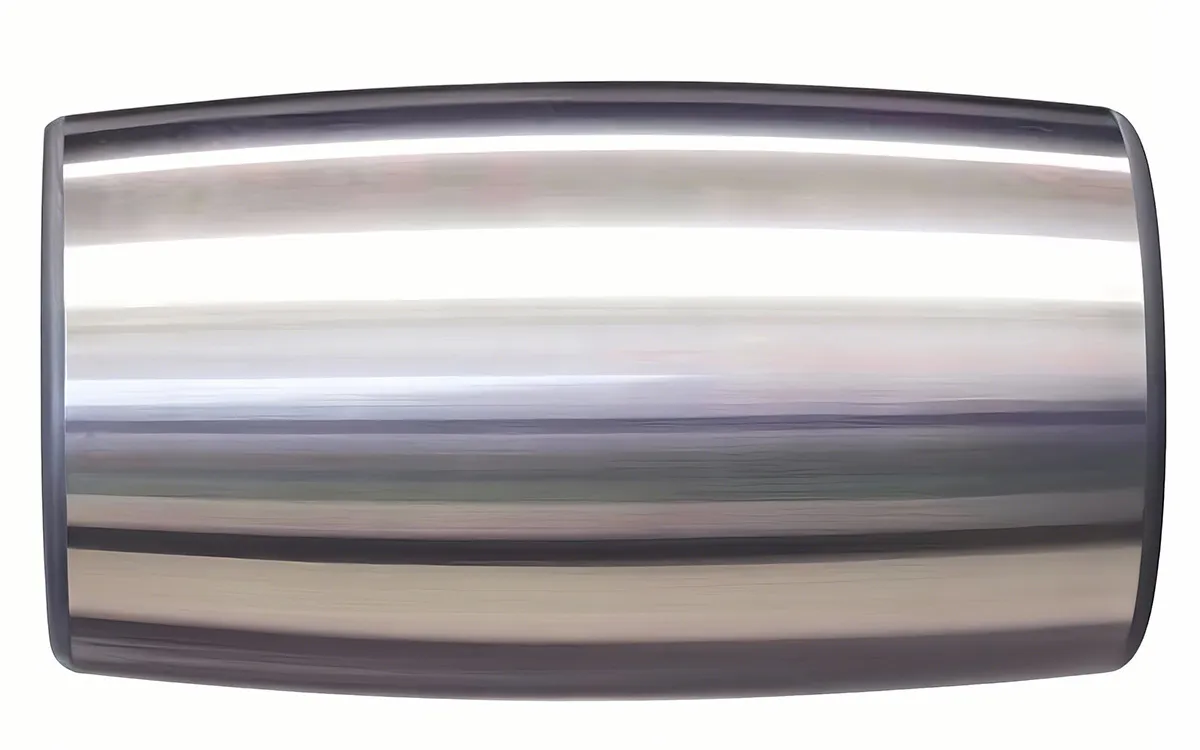
Bearing rollers are the primary load-bearing elements of rolling bearings. Known for their high load capacity and impact resistance, they are critical components in machine tool spindles and heavy mechanical equipment. The core objective of roller manufacturing is to achieve the "The Three Pillars of Precision" of precision: dimensional consistency, geometric accuracy, and surface quality. Precise control across all processes ensures efficient meshing with the bearing rings, significantly enhancing rotation accuracy and service life.
Process Flow
Small Rollers (<50mm)
Material Preparation
Soft Turning (or Cold Heading)
Heat Treatment (Through-Hardening or Carburizing)
Face Grinding
Centerless Grinding
Superfinishing
Large Rollers (≥50mm):
Material Preparation
Soft Turning
Heat Treatment
Hard Turning
Superfinishing
Key Process Solutions
Hard Turning
The Challenge
- Material Difficulty: High hardness results in extreme cutting forces and temperatures, leading to rapid tool wear and potential "grinding burns" on the workpiece.
- Geometric Control: Rollers require strict cylindricity and runout tolerances. Improper clamping can cause deformation or positioning skew, leading to excessive runout at the chamfers.
- Consistency: Maintaining batch stability during mass production of large hardened rollers is technically demanding.
Our Solution
Recommended Equipment: Horizontal Precision Lathe
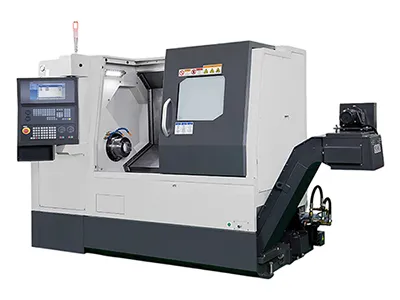
- "Turning Instead of Grinding": This CNC machine is engineered for high-precision hard turning. It allows for multi-step processing in a single setup (clamping).
- Sub-Micron Precision: The rigid structure enables the machine to achieve sub-micron level accuracy and superior surface quality, effectively replacing the need for rough grinding operations.
Recommended Cutting Tools: PCBN Cutting Tools (Tool Bits for Turning)
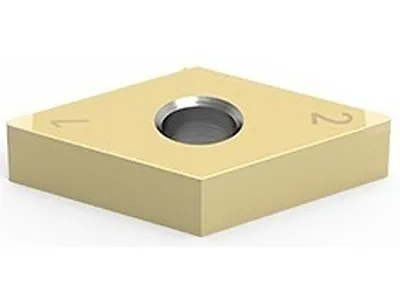
- Performance: Our PCBN tools feature exceptional wear resistance and sharp cutting edges, ensuring the surface roughness remains within tolerance throughout the production batch.
Superfinishing
The Challenge
- Profile Control: Precisely generating the logarithmic crown profile (convexity) is difficult but essential to prevent edge stress concentration in the bearing.
- Surface Consistency: In mass production, maintaining consistent surface texture and roughness across thousands of rollers is a major hurdle.
- Vibration Defects: Insufficient rigidity in the clamping or oscillation mechanism can introduce vibration marks (chatter) or dimensional fluctuations, ruining the surface finish.
Our Solution
Recommended Equipment: Horizontal Compound Superfinishing Machine
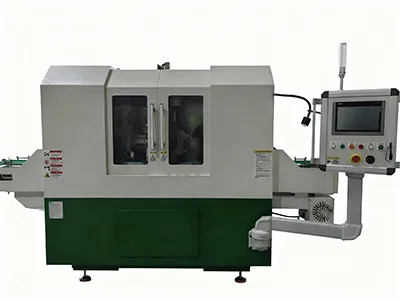
- Plunge-Cut Technology: Utilizes a "Plunge-Cut" mechanism combined with auxiliary superfinishing processes.
- Surface Tribology: The core objective is to reduce surface roughness and remove amorphous grinding layers. It creates a cross-hatch pattern that forms uniform oil retention grooves, significantly improving lubrication capability and wear resistance.